Introduction to DEVOPS
Hey everyone,
I'm thrilled to announce that I'm embarking on a new adventure: my DevOps journey! also Accepting The #90daysofDEVOPS challenge thank you @shubhamlondhe sir for your guidance . As I dive into this dynamic and ever-evolving field, I'm eager to learn, grow, and share my experiences with all of you. Whether you're a seasoned pro or just starting out like me, I invite you to join me on this journey. Let's learn together, support each other, and make meaningful strides in the world of DevOps!
#Day 1 of #90daysofDEVOPS
What is DevOps?
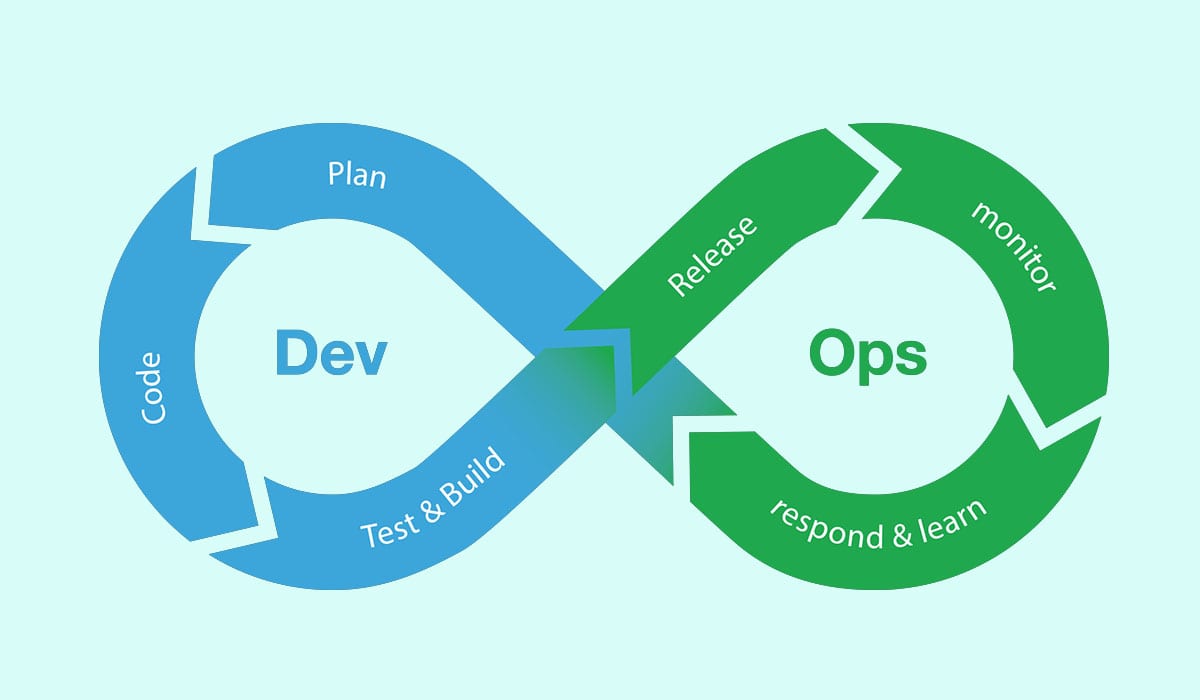
DevOps represents a transformative approach that merges the worlds of software development and IT operations. It's more than just adopting new tools; it's about fostering a culture of collaboration and communication between traditionally siloed teams. By embracing DevOps principles, organizations aim to optimize the entire software development process, from initial code creation to seamless deployment and ongoing maintenance.
Tools used in DEVOPS
Linux: Linux serves as a preferred operating system for many DevOps environments due to its stability, security, and versatility.
GitHub: GitHub is a collaborative platform that plays a crucial role in version control and collaboration within the DevOps lifecycle.
Docker: A containerization platform that allows developers to package applications and their dependencies into standardized units called containers, ensuring consistency across different environments.
Jenkins: An automation server that facilitates the continuous integration and continuous delivery (CI/CD) pipeline by automating the building, testing, and deployment of software.
Argo CD: A declarative, GitOps continuous delivery tool for Kubernetes, ensuring that the desired state of applications in the cluster matches the state defined in Git repositories.
Kubernetes: An open-source container orchestration platform that automates the deployment, scaling, and management of containerized applications, providing resilience and scalability.
Terraform: An infrastructure as code (IaC) tool used to provision and manage cloud infrastructure resources across various providers using declarative configuration files.
Ansible: A configuration management and automation tool that simplifies the process of deploying, configuring, and managing servers and applications through simple, agentless automation.
These tools collectively enable teams to automate and streamline various aspects of the software development lifecycle, improving efficiency, scalability, and reliability.


